Embarking on a custom seat project requires careful planning and preparation. This guide outlines key areas to consider to ensure a smooth and successful project.
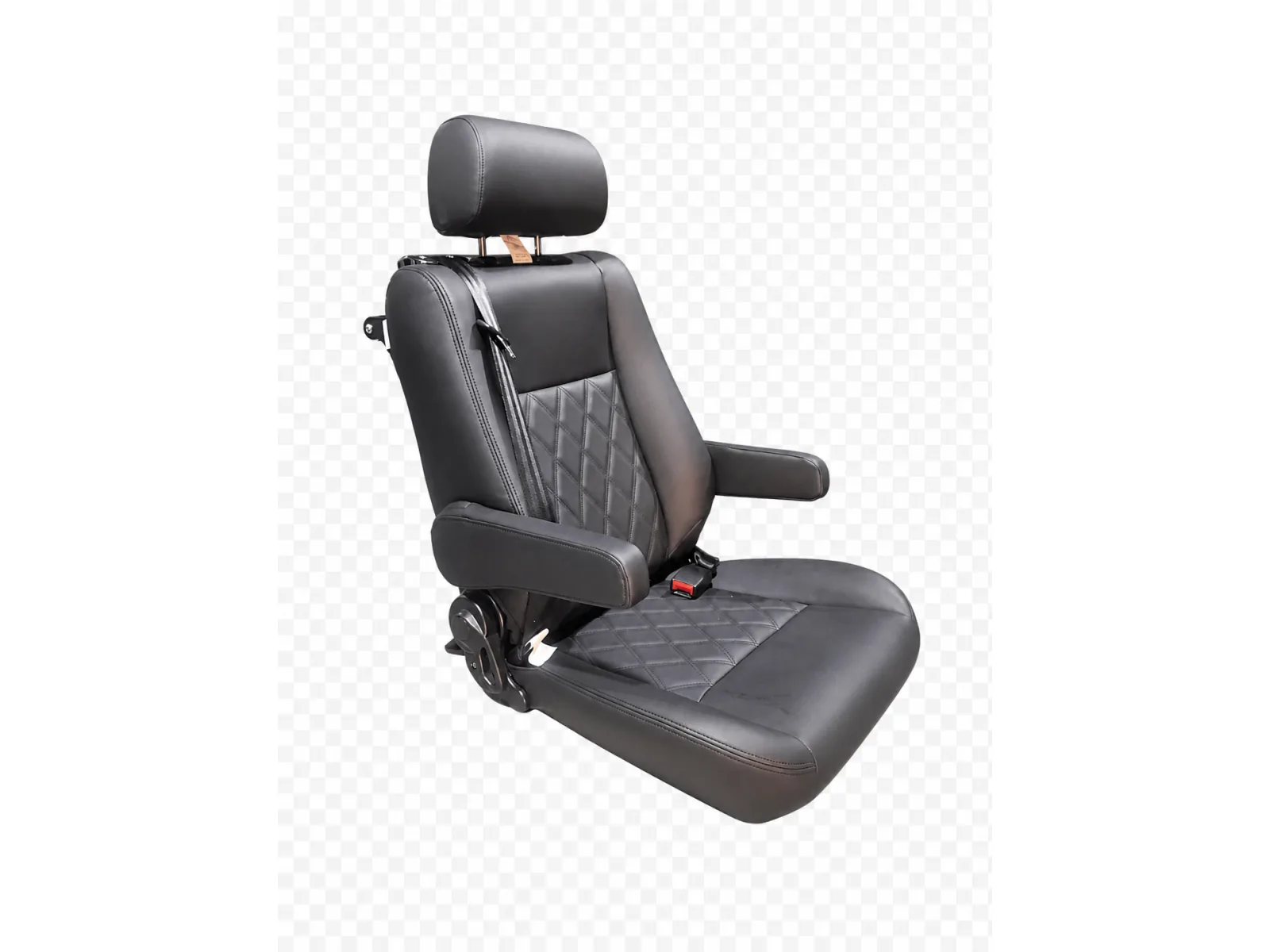
Application Considerations
Understanding the intended application is crucial for designing a suitable seat.
- What is the primary purpose of the seat? (e.g., office chair, vehicle seat, stadium seating)
- What is the expected usage frequency? (e.g., daily, occasional, high-volume)
- What are the environmental conditions? (e.g., indoor, outdoor, temperature range, humidity)
- Are there any specific ergonomic requirements? (e.g., adjustable lumbar support, headrest height)
- What are the aesthetic preferences? (e.g., style, color, materials)
Installation Constraints
Consider any limitations related to installation.
- What is the available space for the seat? (e.g., dimensions, mounting points)
- Are there any existing infrastructure limitations? (e.g., floor type, wall thickness)
- What mounting options are available? (e.g., floor-mounted, wall-mounted, integrated)
- Are there any safety regulations or standards to adhere to?
Required Functions
Define the essential functions the seat must perform.
- What adjustability features are required? (e.g., height, tilt, recline, armrests)
- Is ventilation or cooling required?
- Are there any specific material requirements? (e.g., durability, cleanability, fire resistance)
- What level of support is needed? (e.g., lumbar, pelvic, leg)
- Are there any weight capacity requirements?
Acceptance Requirements
Clearly define how the final product will be evaluated.
- What are the key performance indicators (KPIs)? (e.g., comfort, durability, aesthetics)
- What testing or certification is required?
- What are the acceptable tolerances for dimensions and functionality?
- How will the final product be inspected and approved?
- What documentation is required? (e.g., drawings, specifications, test reports)
For further assistance, please use our website AI chat or email [email protected].