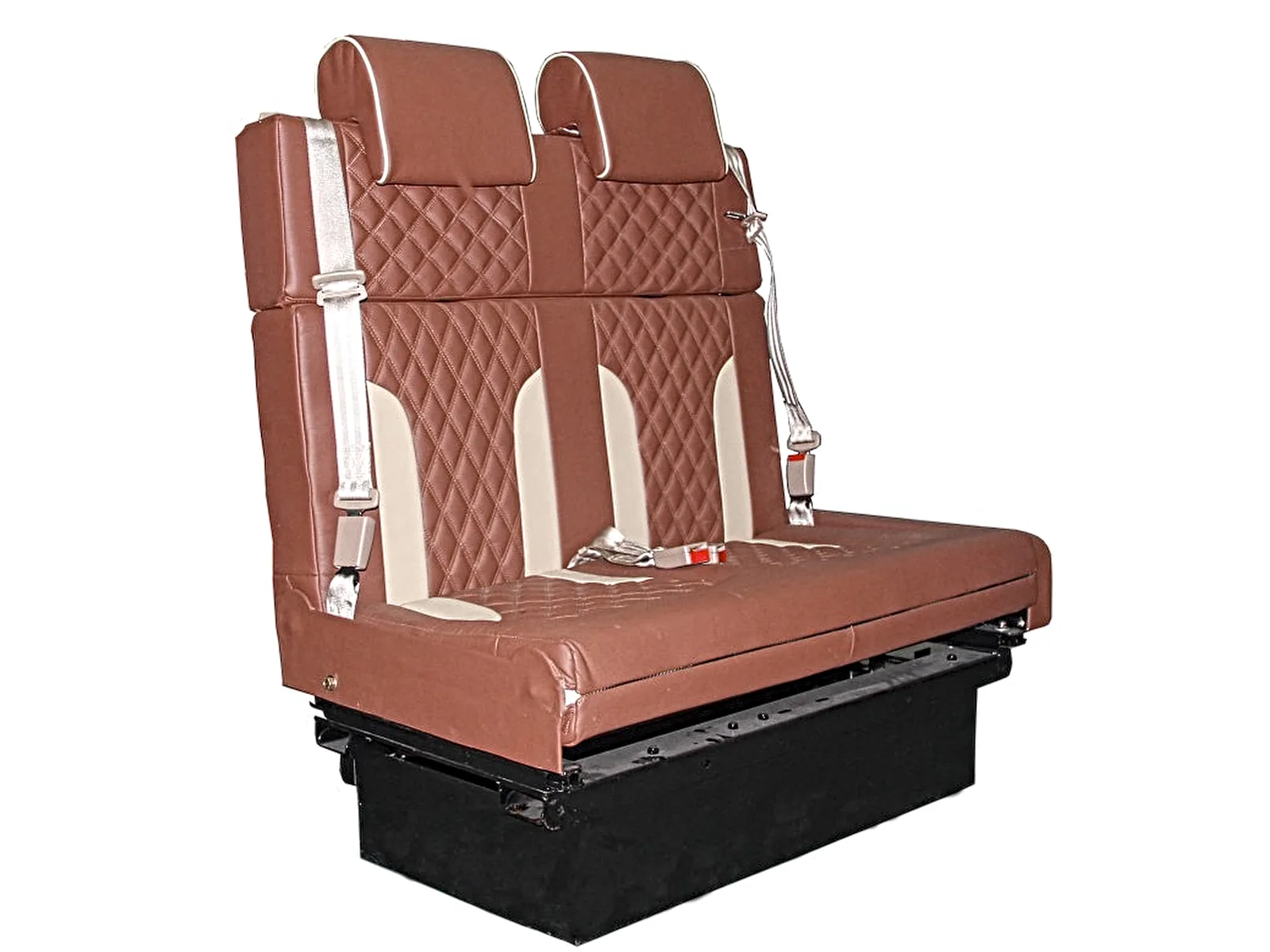
A lower quote for a custom seat can reflect a simpler scope rather than a lower price for the same work. One supplier may include prototype tooling, mounting parts and a fit check, while another may list only the seat assembly. Before comparing totals, give each supplier the same reference documents and ask them to identify what their quote includes, excludes and assumes.
Give every supplier the same drawing and options
Send the same drawing revision, installation notes, finish reference and list of requested options. Label choices that are still open, such as the trim material or the mounting interface. Ask each supplier to name the revision and options used to price the quote. If a supplier prices an alternative, ask them to show it separately so you can still compare the base scope.
Separate piece price from project charges
Ask for the seat assembly, mounting hardware, prototype work, tooling, packaging and shipping to be identified separately where they apply. A charge can be included in the piece price, billed separately, or excluded. Record which treatment each supplier uses. Keep one-time charges separate from recurring charges, and compare quantities and delivery assumptions on the same basis.
Make assumptions and exclusions visible
Record who supplies each part, what information is still missing, and which conditions can change price or lead time. For example, one quotation may assume the buyer supplies the mounting brackets. Another may include them but exclude a fit check. Ask both suppliers to price the agreed arrangement before deciding which offer is better.
Agree what the sample review covers
State what you expect to inspect on the prototype and who will accept each item. Use the project drawing and agreed references for appearance, fit and operation. Ask what the quote includes if the sample needs a revision and which changes require a new quotation. Route any safety or regulatory requirements to the responsible engineering team for a documented decision.
Record the basis for the decision
Use one comparison row per requirement. For each row, record the reference, whether the item is included, who owns any open question and when the answer is needed. Ask for a revised quotation when an answer changes scope. Keep the agreed drawing revision, exclusions and acceptance criteria with the purchase order so the supplier and the receiving team can work from the same record.
If you have a question about comparing custom seat quotations, email [email protected].