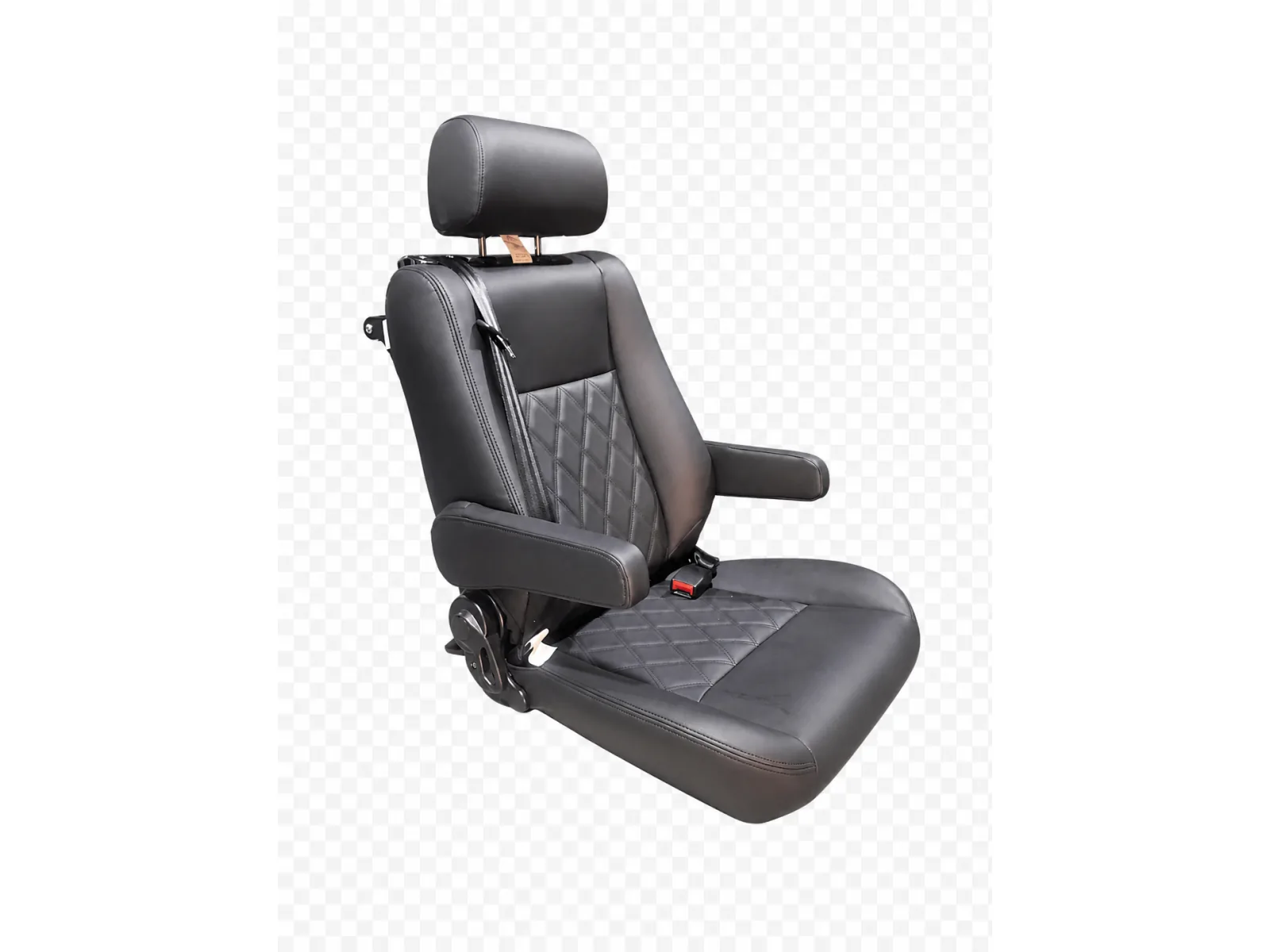
This guide helps procurement and engineering teams plan a custom vehicle seat, focusing on performance and integration.
Understanding Your Needs
Before engaging with a supplier, clearly define your requirements. Consider the vehicle type- is it for light-duty, heavy-duty, or specialty applications? What are the primary usage scenarios- frequent short trips, long-haul driving, or occasional use? Define the expected passenger profile- size, weight, and any specific needs like mobility limitations.
Key Measurement Considerations
- Space Constraints– Measure available space within the vehicle. Account for any obstructions like consoles, dashboards, or other equipment.
- Ergonomics– Consider seat height, depth, and back support. Think about adjustability options to accommodate different users.
- Mounting Points– Identify existing mounting points or determine if new ones need to be fabricated. Confirm their location and strength.
- Material Requirements– Specify desired materials based on durability, comfort, and environmental factors.
Engineering Guidance
Engage engineering early in the process. Review supplier drawings carefully- ensuring they align with your specifications. Consider factors like weight distribution and impact resistance. Plan for thorough testing and validation throughout the design and manufacturing process.
Inspection Checklist
- Do the dimensions match the specified requirements?
- Are the mounting points compatible with the vehicle?
- Does the seat provide adequate support and comfort?
- Are the materials durable and appropriate for the intended use?
- Has the seat been tested for safety and performance?
For project inquiries, email our team.