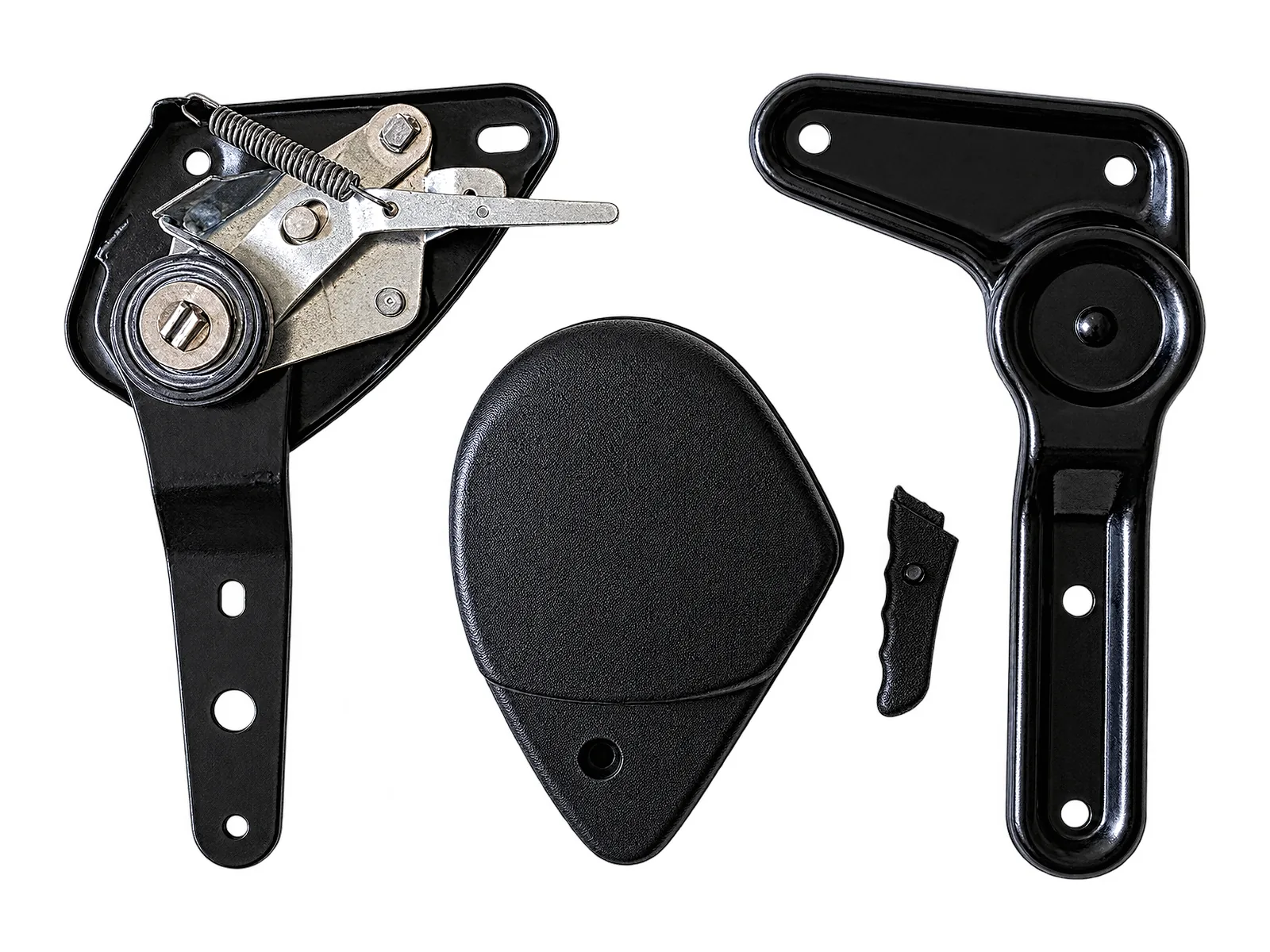
You’re receiving a batch of custom vehicle seats. How can you ensure you have the right spare parts on hand for maintenance and future reorders?
Document the Initial Configuration
The first step is thorough documentation. Request a ‘Bill of Materials’ (BOM) from the seat manufacturer. This should list every component used in the seat, including fabric types, frame materials, actuator models (if applicable), and any unique hardware. Verify this BOM against the delivered seats to confirm accuracy. Note any deviations, even minor ones, as these could impact future parts ordering.
Identify Critical Wear Items
Not all parts fail at the same rate. Focus on components likely to require frequent replacement. Common wear items on custom seats often include seat belts (if integrated), adjustment motors, fabric panels (especially high-contact areas), and any specialized hardware like buckles or levers. Document the manufacturer’s part numbers for these items. Consider requesting a ‘Failure Rate Estimate’ from the manufacturer, if available.
Standardization and Future Reorders
To streamline parts ordering and reduce inventory complexity, standardize on common components across your fleet. Before ordering, first verify the exact manufacturer part number in the parts catalog, then match the part to the configuration of the seat actually installed, and finally get written supplier confirmation of compatibility before ordering. Maintain a centralized parts catalog, updated with manufacturer part numbers and internal tracking codes.
- Obtain and verify the ‘Bill of Materials’ (BOM).
- Identify critical wear items and their manufacturer part numbers.
- Document any deviations from the BOM.
- Standardize on common components where possible.
- Maintain a centralized parts catalog.
For further assistance, please use our website AI chat or email [email protected].